Zabbix: Installation and Configuration Setup
Overview
The Zabbix utility is used to deploy the infrastructure objects of the make_zabbix.py module. It is part of the zabbix_ko_maker package, located in the bin directory.
Utility Purpose
- deployment of basic
Search Anywhere Frameworkentities required for the module to function - creation of indexes
- creation of index templates
- creation of index patterns
- creation of index state management policies (hereafter ISM policies)
Requirements
- Python 3.x
- Installed dependencies:
requestsurllib3
- Access to the
Search Anywhere Frameworkcluster with administrator privileges
Project Structure
./
├── bin/                   # Installation and deployment scripts
├── core/                  # Asset Service Model (hereafter ASM) layers
├── data/                  # Configuration files
│   ├── indexes/           # Index configurations
│   ├── index_templates/   # Index templates
│   ├── index-patterns/    # Index patterns
│   ├── ism_polices/       # ISM policies
│   ├── sm_*/              # Search Anywhere Framework entities
│   └── inv/               # Inventory settings
├── lookup_csv/            # List of rules for incident creation
├── templates/             # ASM metric templates
├── update_zabbix_rsm/     # Script for automatic ASM service updates
└── macroses.json          # Installation macros
Configuration File Formats
The settings in the indexes and ism_policies directories are for demonstration purposes. Before using them in a production environment, they must be adapted to meet data storage and rotation requirements.
Search Anywhere Framework Entities (sm_*)
{
  "_meta": {
	  // metadata
  },
  // configuration
}
Index Templates (index_templates)
{
  "name": "zabbix_hosts_template",
  "index_template": {
    // template configuration
  }
}
Indexes (indexes)
{
  "zabbix_hosts": {
    // index configuration
  }
}
ISM Policies (ism_policies)
{
  "policy": {
    "policy_id": "zabbix-policy",
    // configuration
  }
}
ASM Layers (core/rsm/layers)
{
  "title": "Zabbix: metrics",
  "description": "layer description"
}
Index patterns (index-patterns)
{
  "attributes": {
    "title": "zabbix_hosts-*"
  },
  "references": []
}
Inventory (inv)
inv/inventories— asset configurationsinv/relationSettings— relationships between assets
Installation Sequence
Step 1. SA Data Collector Integration
Before starting the installation, ensure Zabbix integration with SA Data Collector is completed. At this stage, all necessary pipelines should be configured, and the ZABBIX_API_TOKEN API token and logstash user password should be added to the keystore.
Step 2. Launch Configuration Installation
python make_zabbix.py --sm_host <host> --sm_user <user> --sm_password <password> [--sm_port <port>]
| Parameter | Mandatory | Type | Default | Description |
|---|---|---|---|---|
--sm_host | Yes | string | — | Search Anywhere Framework cluster host |
--sm_port | No | int | 9200 | Connection port |
--sm_user | Yes | string | — | Username |
--sm_password | Yes | string | — | User password |
Example:
python make_zabbix.py --sm_host sm-host.my_company.ru --sm_user admin --sm_password securepassword --sm_port 9200
Step 3. Start the Logstash Service
After successful configuration deployment, start the Logstash service:
sudo systemctl start logstash && sudo systemctl status logstash
or, if the service is already running:
sudo systemctl restart logstash && sudo systemctl status logstash
Step 4. Verify the Result in the Interface
After startup, verify that the settings have been applied:
-
Indexes
- In the
Indexes: (Main menu-Settings-Index Management-Indices)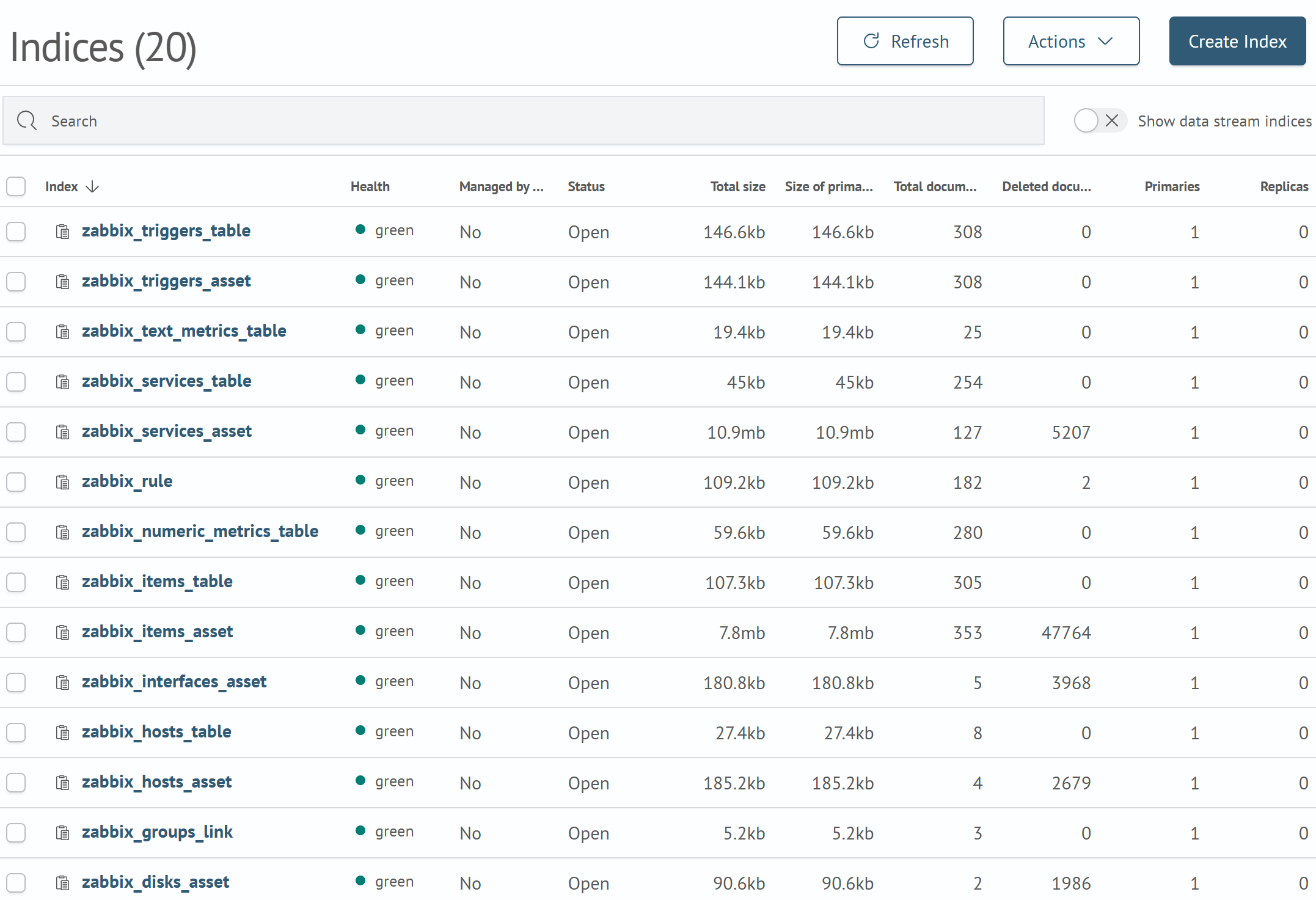
- In the
-
ISM Policies
- In the
Index policies: (Main menu-Settings-Index Management-Index policies)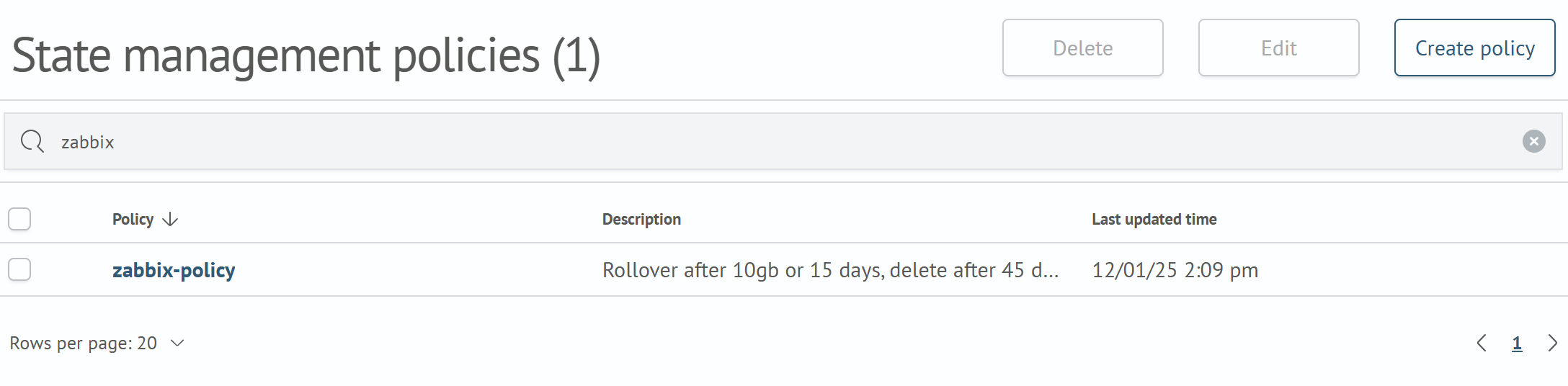
- In the
-
Managed indices
- In the
Managed indices: (Main menu-Settings-Index Management-Managed indices)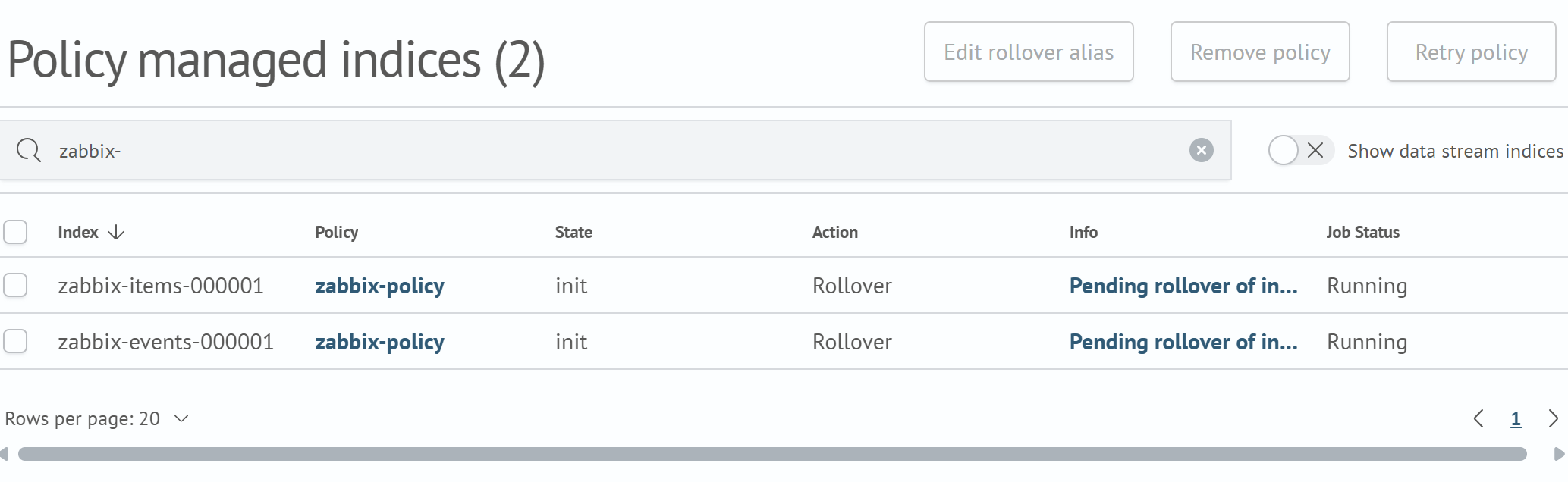
- In the
-
Index Templates
- In the
Templates: (Main menu-Settings-Index Management-Templates)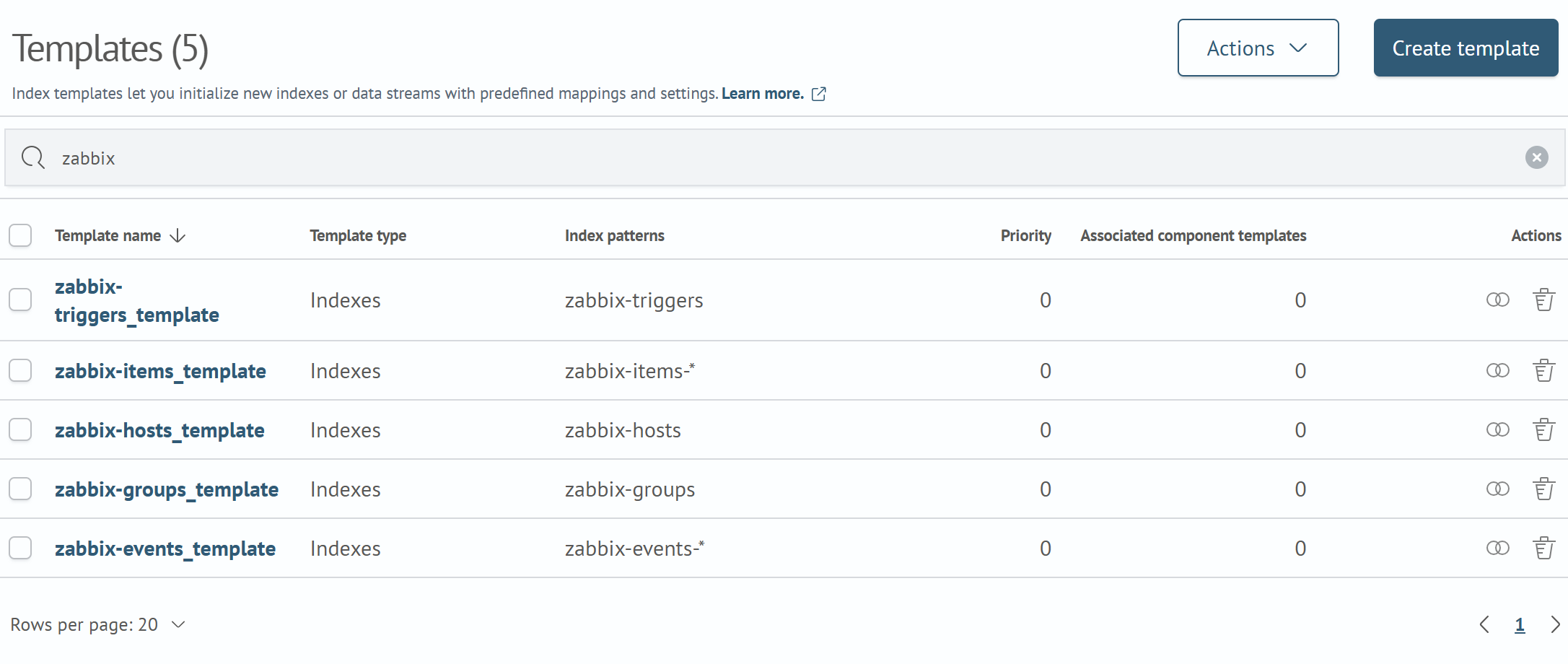
- In the
-
Index patterns
- In the
Index patterns: (Main menu-Settings-Management-OPENSEARCH-Index patterns)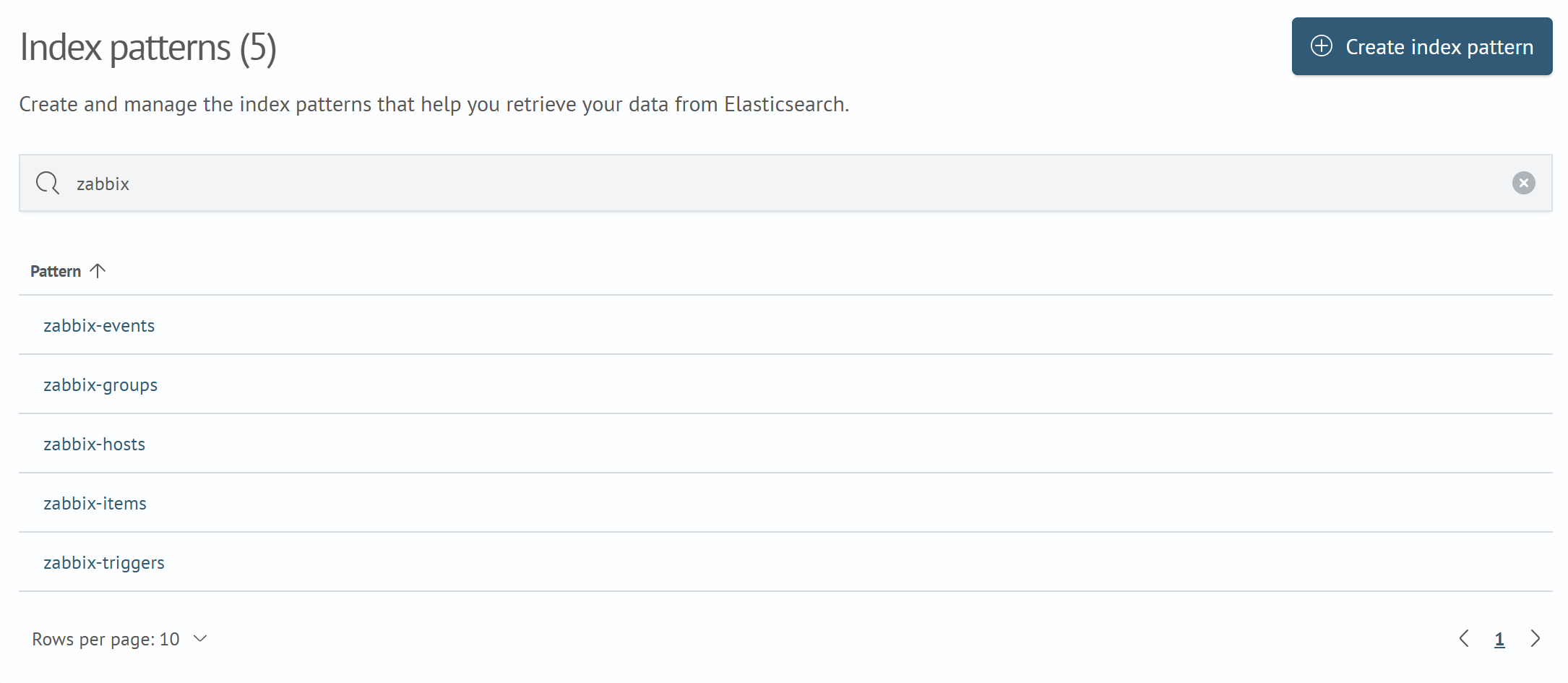
- In the
-
Lookups
- In the
Lookups: (Main menu-Lookup Manager-Lookups)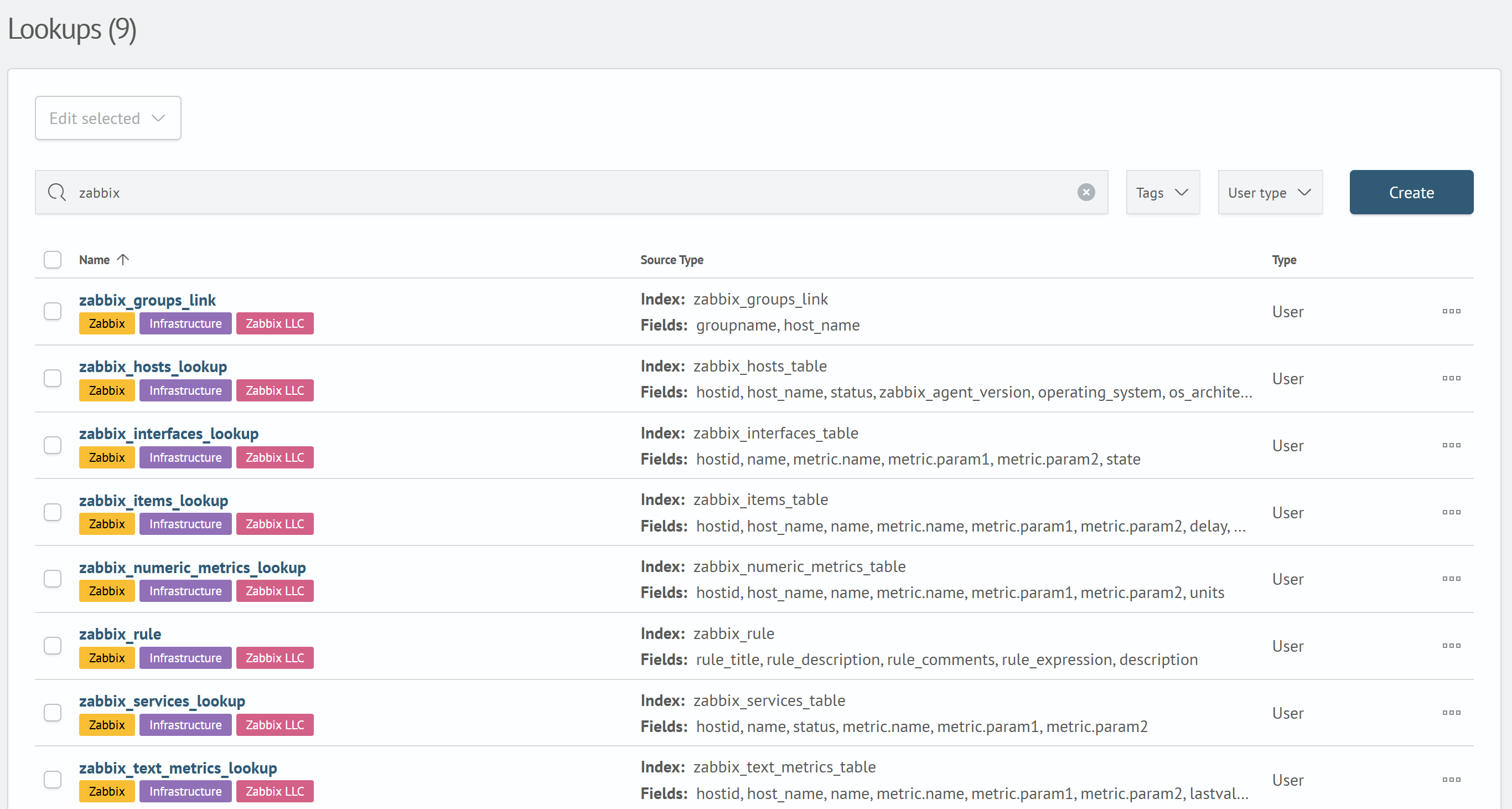
- In the